Hike to Italy's last car-free alpine village
Taste ancient recipes made from valley-grown ingredients
Explore granite-carved streets frozen in time
Sleep in history where stone masons became kings
 Moderate difficulty
 4km distance
 600m elevation
 Hiking Boots shoes
 2-3 Days duration
 Car transport
Why We Love This Trip
Interactive Map
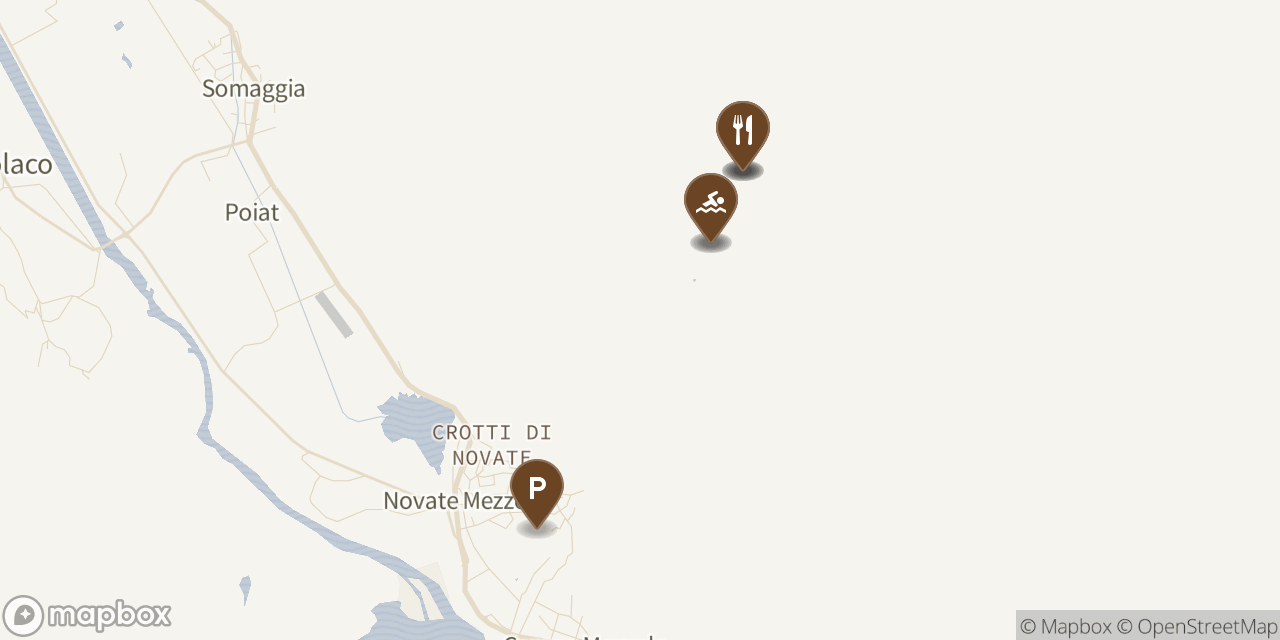
Points of Interest


Your Day Trip Timeline
Drive to Novate Mezzola trailhead parking
End of road access - last parking before car-free valley, arrive early for spaces
Begin 4km hike with 600m elevation gain
Trail takes 2-2.5 hours normally, budget 3-4 hours with breaks and photo stops
Tackle initial steep switchbacks through forest
First 1-1.5 hours is challenging stone stairs uphill with no warm-up, pace yourself
Reach ridge viewpoint overlooking Lake Como
Perfect rest stop after forest section - panoramic views show how far you've climbed
Pass through Avedi ghost village
First abandoned settlement on trail - gives preview of what's ahead in valley
Arrive in Codera and check into Ostello Alpino
Main guesthouse with restaurant, or book standalone renovated village houses for private stay
Lunch at Ostello Alpino restaurant
Must-try: cheese-stuffed gnocchi with butter-sage-parmesan sauce, local valley wine, chestnut tiramisu
Take guided village tour with historical society
Learn about granite architecture, 700+ year history, preserved homes - arrange through Ostello in advance
Visit two living history museums
Free entry to furnished historic homes and Stray Eagles resistance exhibit - open houses daily
Hike 10 minutes north to natural bathing pools
Past old scout camp to river pools with warm rocks - alpine water very cold, best in full sun
Evening dinner featuring local venison and polenta
Slow-roasted deer from valley, corn grown in Codera - check for evening cultural presentations
Descend same trail back to parking
Allow 2-3 hours down, easier on cardiovascular but hard on knees with stone steps
Ben's Deep Dive
From medieval stonemasons who became mayors of Prague to WWII resistance fighters smuggling thousands to safety, Val Codera's granite walls hold stories far more extraordinary than its stunning alpine setting might suggest.
The granite foundation of Val Codera tells a story that extends far beyond these alpine walls. During the late Middle Ages, the stonemasons of this valley developed such legendary architectural skills that their reputation spread across the Holy Roman Empire. These craftsmen were actively recruited to work in Tirol, Bavaria, and Bohemia, carrying their expertise to some of Europe's most important cities. One remarkable Coderan stonemason achieved such success in Prague that he was elected mayor of that premier imperial city—an almost unimaginable journey from this remote mountain settlement to one of medieval Europe's political centers. This diaspora of skilled workers created a fascinating paradox: while Codera's population diminished as talented individuals sought opportunities elsewhere, their craftsmanship ensured the valley's architectural heritage remained frozen in time. The 130-year-old hand-forged ironwork, the meticulously carved granite doorways, and the stone-built chicken feeders all testify to this extraordinary tradition. Even the infrastructure that modern hikers curse—those relentless granite staircases—represents an engineering achievement that allowed communities to thrive in seemingly impossible terrain. A primitive cable car system transported granite blocks from quarries at the valley's highest points, enabling construction that has withstood over a century of alpine winters.
The cultural preservation efforts in Val Codera represent something far more intentional than simple nostalgia. When Roberto, a medical doctor and pathologist, first visited 45 years ago, he recognized immediately that this wasn't just a dying village but a living museum of Alpine culture at risk of extinction. Together with remaining inhabitants, he founded both the Osteria Alpina and the Historical Preservation Society with three interconnected missions: creating museum spaces to maintain historical memory, fostering genuine community among residents and visitors, and establishing economic sustainability through tourism. The society didn't merely preserve existing structures—they actively purchased and refurbished abandoned granite houses, transforming them into rentable accommodations where visitors can literally sleep within 300-year-old walls. This economic model ensures every euro spent on accommodation, meals, or that morning bowl of coffee directly funds continued preservation work. The agricultural revival deserves particular attention: seven heirloom tomato varieties are now cultivated in terraced gardens that were nearly lost to neglect, while the chestnut traditions that once sustained the valley (hence that extraordinary 6am chestnut tiramisu) have been revived. The locally produced wine, made in limited quantities from vines grown in these challenging conditions, embodies this philosophy perfectly—it's not about commercial production but about maintaining the complete cultural ecosystem that defines Val Codera.
Perhaps the most powerful chapter in Codera's history involves the Aquile Randagie, or Stray Eagles, a scout organization that transformed from civil disobedience to active resistance. When Italy's fascist government banned all scout groups that refused to follow fascist doctrine, these young people continued meeting secretly in Val Codera's isolation, using an old scout camp along the trail as their base. As World War II intensified and Italy's alliance with Nazi Germany led to increased persecution, the Stray Eagles evolved their mission from simple defiance to active rescue operations. Operating from these very mountains, they helped approximately 2,000 persecuted individuals escape to Switzerland, either by falsifying identity documents or, in extreme cases, physically guiding refugees over alpine passes. The scouts' intimate knowledge of these granite trails—the same paths modern hikers struggle up with lightweight backpacks—became literal lifelines. This history adds profound weight to every stone pathway: these weren't merely supply routes for isolated villagers but freedom corridors that saved thousands of lives. The museum documentation of this resistance work, preserved in a modest room in Codera's historical house, serves as a reminder that even the most remote communities can become centers of moral courage when circumstances demand it.
What makes Val Codera genuinely irreplaceable isn't any single element but rather the complete integration of history, culture, cuisine, and natural beauty into a living whole. The 600-meter elevation gain that filters out casual tourists isn't an obstacle but a necessary threshold that preserves authenticity—you cannot drive up for a quick photo and gelato, then leave. The commitment required to reach Codera ensures visitors arrive with genuine interest, while the multi-day experience allows the valley to reveal its deeper character. Those bathing pools locals mention casually (with no signs or maps to guide tourists) represent countless similar discoveries awaiting engaged visitors. The morning coffee ritual of enormous bowls with separate jugs of espresso and warmed milk, the slow-roasted venison from deer hunted in these very hills, the noki stuffed with cheese from the neighboring valley—these aren't tourist attractions but authentic cultural practices you're privileged to witness. Roberto's passion after 45 years hasn't diminished; the volunteers like Natasha who translate and welcome visitors are genuinely invested in sharing their adopted home. In an Italy struggling with overtourism crushing Venice, Rome, and Florence, Val Codera offers a radically different model: a place desperately hoping for more visitors, where increased tourism directly enables cultural survival rather than threatening it. This isn't a destination to check off a list—it's a living community inviting you to become part of its ongoing story of resilience and preservation.
Support Us
Plan Your Trip
Get personalized recommendations and custom itineraries for your Munich adventure. Whether you need help planning the perfect day trip, finding hidden gems, or creating a multi-day itinerary, we're here to make your Munich experience unforgettable.
| Consultation | Time |
|---|---|
| Quick Q&A | 20 min |
| Tailored Consultation | 45 min |
Join Our Tours
Experience Munich like a local with our personalized walking tours and full-day adventures! From hidden gems to local favorites, we'll show you the authentic side of Munich that most tourists miss.