Beyond the famous Passion Play, Oberammergau's history reveals fascinating stories of medieval craftsmanship, geological treasures, and remarkable community resilience that shaped this Bavarian gem.
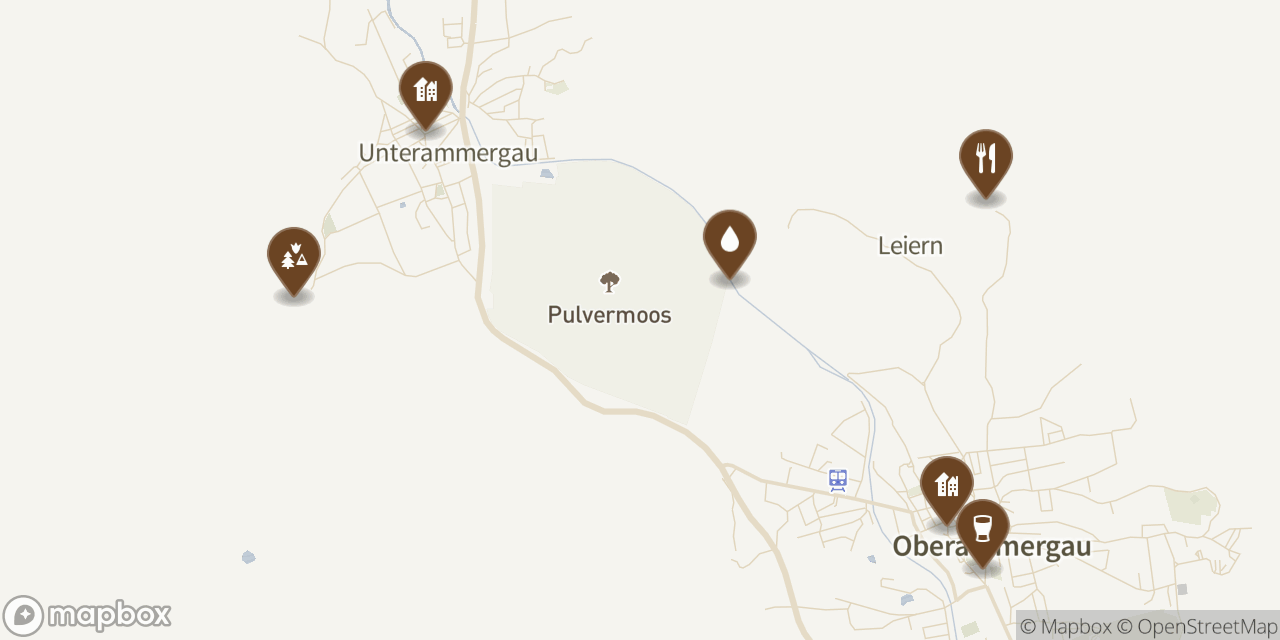
Oberammergau's remarkable story extends far beyond its world-famous theatrical tradition, weaving together threads of medieval industry, geological fortune, and enduring community spirit that make this corner of Bavaria truly exceptional. While visitors are drawn by the town's painted facades and woodcarving heritage, the deeper history reveals a region that once supplied some of Europe's most essential tools and continues to maintain traditions that have survived centuries of change. The surrounding Ammergau valley system, encompassing both Oberammergau and nearby Unterammergau, tells a story of human ingenuity harnessing natural resources in ways that influenced craftsmanship across the Western world. The geological foundation of this region's historical significance lies in the Schleifmühlklamm, or Whetstone Gorge, where some of the world's highest quality whetstones were quarried for centuries. These weren't merely local curiosities – whetstones from this Bavarian valley found their way to London, Paris, and Vienna, sharpening the finest blades and tools across major European cities. The sophistication of the operation was remarkable for its time, with the rushing waters of the Ammer River harnessed through an intricate system of water wheels and wooden aqueducts to power the manufacturing process. Ancient masonry sheds still dot the gorge, where craftsmen once worked to shape these precious stones using water-powered machinery that represented cutting-edge technology of the medieval period. This industrial heritage created a foundation of precision craftsmanship that would later flourish in the woodcarving traditions for which Oberammergau became renowned. The cultural fabric of the region reveals itself in the seamless connections between communities that have maintained their distinct identities despite their proximity. The walking and cycling paths that connect Oberammergau to Unterammergau follow ancient routes along the Ammer River, creating a network that locals have used for generations. This infrastructure reflects a deeper understanding of sustainable community planning – rather than allowing urban sprawl to consume the pastoral landscape, these Bavarian settlements preserved the meadowlands and forests that separate them, maintaining what feels almost like a living museum of traditional European village life. The result is a region where visitors can experience authentic local culture, from traditional Tracht worn at village weddings to seasonal festivals that spring up spontaneously, reflecting a community life that remains vibrant and genuine rather than performed for tourists. What makes this region particularly compelling for modern travelers is how it balances accessibility with authenticity. The excellent transportation connections – just 90 minutes from Munich via synchronized train connections through Murnau – make it an ideal base for exploration without sacrificing the intimate, small-town atmosphere that defines the Bavarian Alps experience. Local establishments like Max Bräu represent this balance perfectly, offering craft brewing that focuses on revitalizing traditional German styles rather than chasing international trends, while providing the quality and service that sophisticated travelers expect. This commitment to maintaining traditional character while embracing practical improvements creates an environment where visitors can experience genuine Bavarian culture without the commercialization that can overwhelm more famous destinations. The region's approach to tourism development – preserving pedestrian-friendly town centers, maintaining traditional architecture, and supporting local craftspeople – offers a model for how historic communities can thrive in the modern world while staying true to their roots.
 Train from Munich access
 2-3 days duration
 Easy-Medium walking
 Summer best time
 Moderate budget
 Walk/Bike/Bus transport