Experience the world's largest folk festival
Drink authentic Bavarian beer in historic festival tents
Enjoy traditional music and cultural performances
Sample delicious German festival food (and maybe try on some Lederhosen!)
 Be Prepared difficulty
 2-3 Days duration
 High cost
 Public Transit transport
 Prebook guide type Late Sept best season
Why We Love This Trip
Interactive Map
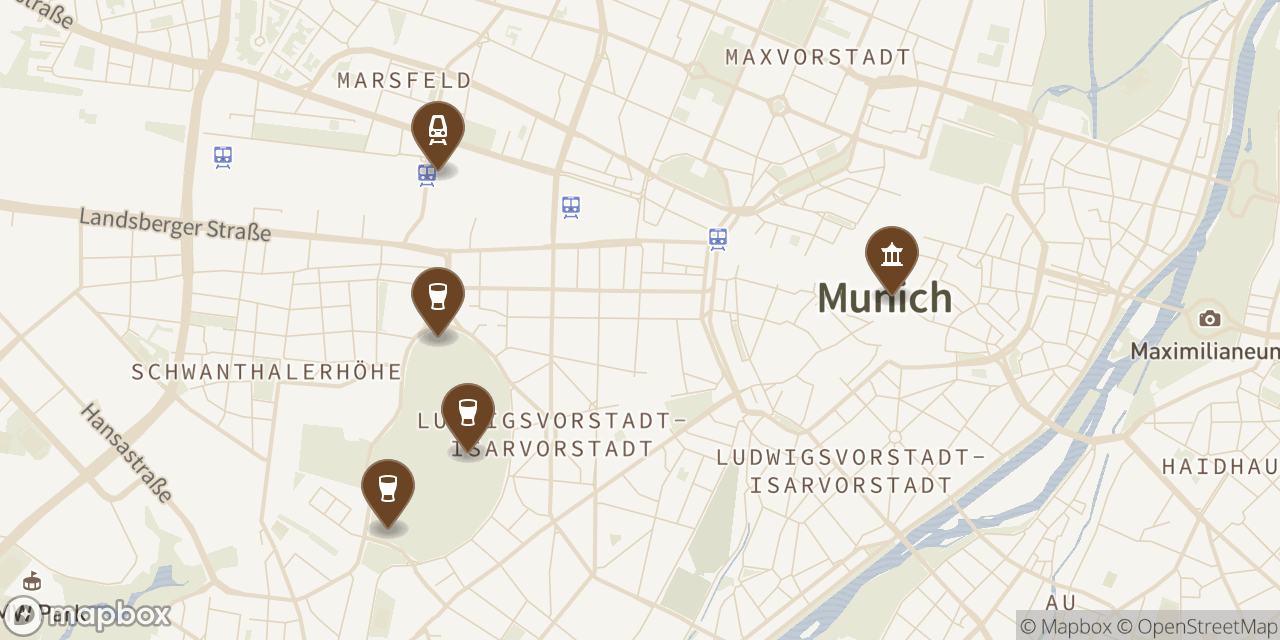
Points of Interest


Your Day Trip Timeline
Arrive early afternoon (around 2PM)
Best time to secure unreserved seating
Check Oktoberfest Barometer website
Monitor real-time crowd levels before heading out
Enter through security check
Avoid bringing large bags or backpacks
Start with food before beer
Traditional Bavarian meals available in all tents
Explore different festival tents
Each has its own unique atmosphere and specialties
Visit the Rot tent
Local bakery tent with unique pastries and quirky atmosphere
Try some festival attractions
Rides, games, and traditional entertainment
Check out the shooting galleries
Popular games with prizes and certificates
Watch the 45-degree conveyor belt
Popular entertainment spot for people-watching
End before the late rush
Avoid the crowds leaving at closing time
Ben's Deep Dive
Beyond the beer and bratwurst lies a fascinating story of royal romance, evolving traditions, and the practical realities of managing the world's largest folk festival that transforms Munich every September.
The Royal Romance That Started It All
The story of Oktoberfest begins with one of history's most celebrated weddings - the marriage of Crown Prince Ludwig of Bavaria to Princess Therese of Saxony-Hildburghausen on October 12, 1810. What makes this tale particularly charming is that the citizens of Munich were so enchanted by the five-day celebration (October 12-17) that they collectively decided it was "such a good wedding that it should be relived every year forever." The original festivities took place on the fields outside Munich's city gates, in what was then simply a meadow.
This meadow was permanently renamed Theresienwiese (Therese's Meadow) in honor of the princess, though locals today simply call it "die Wiesn." The tradition of celebrating this royal union has now continued for over 200 years, making it one of the world's longest-running party traditions - and remarkably, it's not even the only never-ending German marriage celebration, as similar perpetual wedding festivals exist throughout Bavaria.
The September Paradox and Bavarian Logic
One of the most confusing aspects for first-time visitors is why Oktoberfest primarily takes place in September. After the first few celebrations in the 1800s, organizers realized that late September weather was significantly more pleasant than October's unpredictable conditions. Rather than rebrand the entire festival, they simply moved the dates but kept the name - a perfectly logical decision by German standards, even if it baffles outsiders.
This exemplifies what locals describe as quintessential German culture: "they'll do things that make perfect sense to themselves and just not worry at all about how strange it might look to outsiders." The festival now runs from late September through the first Sunday in October, ensuring it maintains its historical connection to the original October celebration while maximizing enjoyable weather. This scheduling quirk also explains why you'll find no legitimate "Oktoberfest" celebrations elsewhere - the name belongs specifically to Munich's autumn festival, not to a category of Germanic beer festivals.
The Scale and Logistics of a Bavarian Phenomenon
Managing over 7.3 million visitors annually requires extraordinary coordination between Munich breweries, city officials, and transport authorities. The Theresienwiese transforms into a temporary city capable of supporting well over 100,000 people simultaneously, with massive beer tents that can each hold thousands of revelers. The festival's opening ceremony features the Lord Mayor of Munich who traditionally taps the first keg with the cry "O'zapft is!" (It's tapped!), officially beginning the festivities.
Each tent is supplied exclusively by one of Munich's six traditional breweries - Augustiner, Hofbräu, Löwenbräu, Ochsenbräu, Spaten-Franziskaner, and Weissbier - ensuring that millions of litres of beer flow throughout the celebration. The logistics extend beyond alcohol, with traditional Bavarian food vendors serving everything from massive pretzels to roasted chicken, while brass bands provide the soundtrack that keeps the party atmosphere alive from morning until night.
The combination of public transport systems working at maximum capacity, security managing unprecedented crowds, and the seamless operation of what is essentially a temporary city makes Oktoberfest a masterclass in event management on an almost unimaginable scale.
Support Us
Plan Your Trip
Get personalized recommendations and custom itineraries for your Munich adventure. Whether you need help planning the perfect day trip, finding hidden gems, or creating a multi-day itinerary, we're here to make your Munich experience unforgettable.
| Consultation | Time |
|---|---|
| Quick Q&A | 20 min |
| Tailored Consultation | 45 min |
Join Our Tours
Experience Munich like a local with our personalized walking tours and full-day adventures! From hidden gems to local favorites, we'll show you the authentic side of Munich that most tourists miss.