Watch terrifying Krampus demons parade through Munich's historic center
Experience authentic Alpine folklore come to life
See intricate costumes worth thousands of euros
Witness the darker side of Christmas traditions
 December season
 1.5 hours duration
 Free cost
 Very Busy crowds
 Public Transit transport
 Self-guided guide type
Why We Love This Trip
Interactive Map
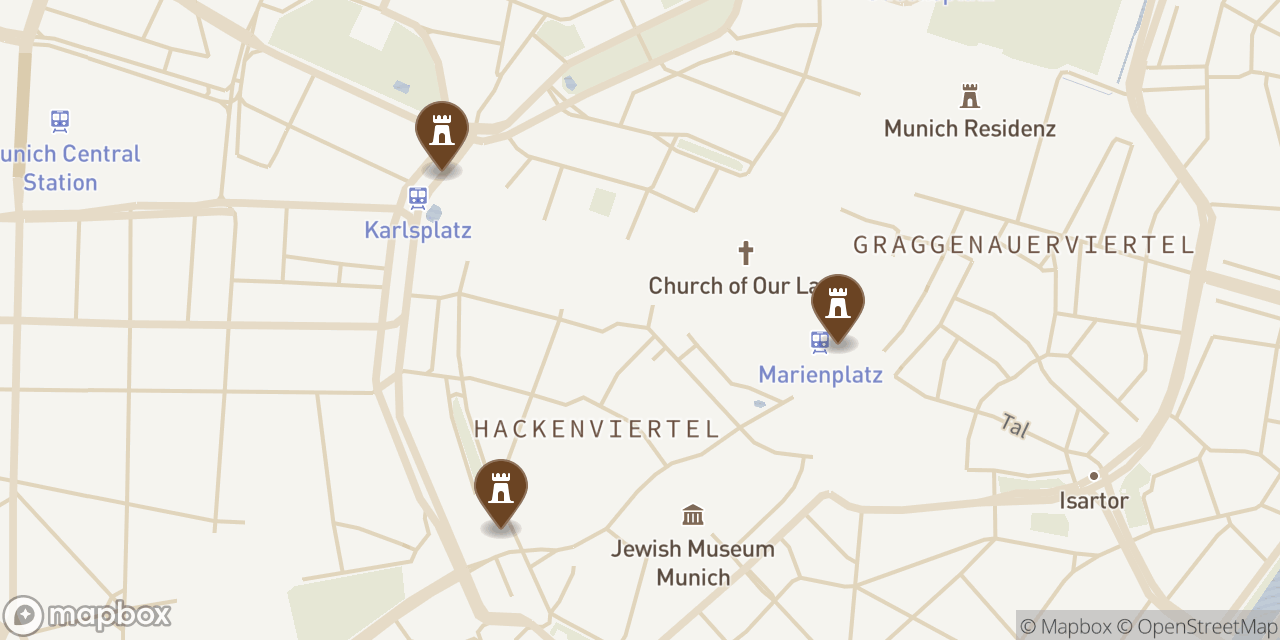
Points of Interest


Your Day Trip Timeline
Arrive early at Marienplatz
Secure a good viewing spot before crowds form
Watch the parade of over 25 different Krampus groups
Each group showcases unique costume styles and interpretations
Observe the elaborate costumes
Notice the authentic hides, horns, bells, and chains
Experience interactive moments
Krampus might playfully interact with spectators
Stay for the full performance
The parade lasts approximately 90 minutes
Ben's Deep Dive
The Krampus tradition traces its roots deep into pre-Christian Alpine folklore, where pagan winter solstice celebrations merged with Catholic traditions to create one of Central Europe's most enduring—and terrifying—holiday customs.
Understanding the Krampus tradition requires looking beyond the surface-level scares to appreciate its cultural significance in Bavarian and Alpine communities. This folklore figure didn't simply appear alongside Saint Nicholas by accident; rather, the pairing represents a fascinating merger of pre-Christian pagan traditions with Catholic holiday celebrations. In Alpine villages throughout Bavaria and neighboring regions, the winter solstice was traditionally marked by wild processions featuring frightening masked figures meant to drive away winter's darkness and evil spirits. When Christianity spread through these regions, local communities cleverly incorporated these beloved traditions into the new religious framework, pairing the fearsome creatures with the benevolent Saint Nicholas figure. This created a perfect duality: reward and punishment, light and darkness, order and chaos—all embodied in the December celebrations that continue today.
The level of commitment and craftsmanship behind modern Krampuslauf events is truly remarkable, especially when you consider that participants invest 1,500 to 2,500 euros in their costumes using authentic animal hides and horns. These aren't mass-produced Halloween costumes—they're carefully constructed pieces that often take months to complete, with many families passing down techniques through generations. Each Krampus group develops its own distinctive interpretation of the demon, resulting in fascinating diversity across Bavaria. Some groups favor fluffy, beast-like creatures with elaborate fur work, while others create more skeletal, undead warrior aesthetics with chains, bells, and weathered materials. When you attend the Munich event and see 25 different Krampus groups parading through Marienplatz, you're essentially witnessing a showcase of regional artistic traditions, each representing their town's unique take on this shared folklore. The bells and chains aren't just for show—they're integral to the tradition, with their cacophonous ringing believed to drive away evil spirits and announce the Krampus's presence from blocks away.
The distinction between a Krampuslauf and a Krampusnacht cannot be overstated, as they offer fundamentally different experiences. The organized parades in larger cities like Munich prioritize theatrical entertainment and family-friendly scares—think of them as controlled chaos where the biggest danger is getting jostled by crowds or losing your hat to a playful demon. These events transform Marienplatz and other central squares into stages where Krampus groups can proudly display their costumes and give spectators—especially children pushed to the front by their parents—harmless jump scares and light teasing. However, Krampusnacht events in smaller Alpine towns like Füssen operate under completely different rules. Here, costumed figures genuinely roam the streets at night, lurking in alleyways near churches and Christmas markets, actively seeking people to frighten and yes, sometimes strike with their wooden switches. These aren't gentle taps—participants report actual welts and bruises, and the atmosphere transforms entire towns into genuinely scary environments where teenagers squeal and run into traffic, and adults wisely travel in groups for safety. The contrast is so stark that visitors unfamiliar with the tradition can find themselves caught off-guard, as one might innocently approach a Krampus expecting parade-style interaction only to receive very real physical contact.
What makes the Munich Krampuslauf particularly valuable is its unique position as both an accessible introduction to the tradition and a comprehensive survey of Bavarian folklore. For travelers who want to experience this centuries-old custom without the intensity—or potential bruises—of a small-town Krampusnacht, the Marienplatz parade offers the perfect compromise. You'll witness authentic costumes, experience the unsettling atmosphere created by hundreds of demonic figures, and observe how different communities interpret this shared cultural heritage, all while maintaining a safe distance in a controlled environment. The event's free admission and central location make it remarkably accessible, though arriving early to claim a good viewing spot is essential given the crowds. Whether you're traveling with children curious about unique holiday traditions or simply fascinated by folklore that predates modern Christmas commercialization, the Krampus tradition offers something genuinely different—a reminder that European Christmas celebrations once embraced darkness alongside light, fear alongside joy, creating a more complete and arguably more interesting seasonal narrative than sanitized modern alternatives.
Support Us
Plan Your Trip
Get personalized recommendations and custom itineraries for your Munich adventure. Whether you need help planning the perfect day trip, finding hidden gems, or creating a multi-day itinerary, we're here to make your Munich experience unforgettable.
| Consultation | Time |
|---|---|
| Quick Q&A | 20 min |
| Tailored Consultation | 45 min |
Join Our Tours
Experience Munich like a local with our personalized walking tours and full-day adventures! From hidden gems to local favorites, we'll show you the authentic side of Munich that most tourists miss.