Pedal through an entire Alpine nation in one day
Taste princely wines nestled between castle-crowned peaks
Cross borders as casually as you cross ancient bridges
Climb to ruins where Romans walked, mountains watching over
 Moderate difficulty
 50km distance
 Full Day duration
 Climb elevation E-bike transport
 Low cost
Why We Love This Trip
Interactive Map
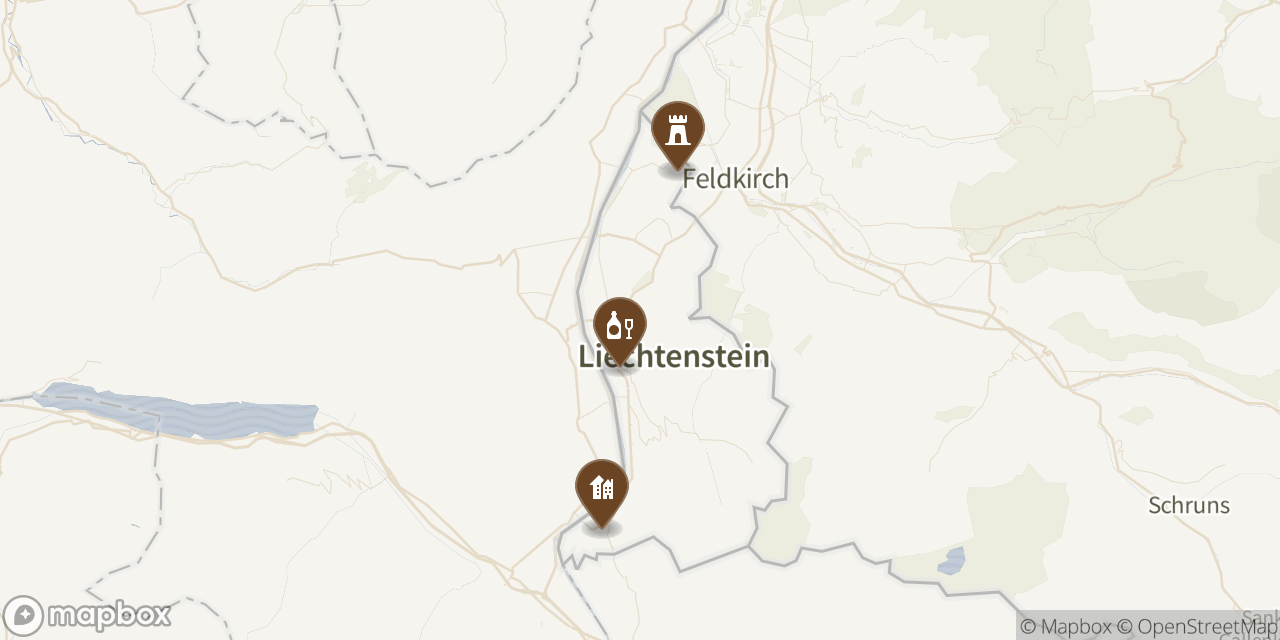
Points of Interest


Your Day Trip Timeline
Cross Swiss border into Liechtenstein at Balzers
Starting point of the journey, approximately 1km from town center with immediate cobblestone paths
Explore Balzers town center and church
Visit unique church with castle backdrop, explore local graveyard, and admire mountain valley vineyard scenery
Breakfast at Dorf Bäckerei village bakery
Try traditional milk brötli and raspberry plunder pastries, expect warm local hospitality and excellent coffee
Cycle Rhine River path toward Vaduz
Phase 1: Flat scenic route along the Rhine with views of four castle ruins, approximately 15-20km stretch
Stop at Alte Holzbrücke wooden bridge
Historic wooden bridge spanning Rhine between Liechtenstein and Switzerland, marks end of river phase
Navigate through Vaduz capital city center
Phase 2: Follow church spire and castle for easy navigation, slow cycling permitted through pedestrian areas
Lunch break in central Vaduz
Various options available including international cuisine, good rest point before wine and brewery stops
Wine tasting at Princely Cellars vineyards
Sample local Liechtenstein wines from estate vineyards, refreshing stop after cycling through grape fields
Visit local brewery in industrial district
Try beer flight including Alpa Gold helles, White IPA, and raspberry radler variations
Begin uphill climb to Schellenberg Castle
Phase 3: Challenging 3-4km ascent through Nendeln village, use high e-bike assist mode recommended
Explore Schellenberg Castle ruins at sunset
360-degree panoramic mountain views, dramatic evening light, historic castle walls worth the climb
Descend to Austria-Switzerland-Liechtenstein triple border point
Final stretch along road into evening, marks northernmost tip of Liechtenstein completing 50km journey
Ben's Deep Dive
Liechtenstein's agricultural heritage reveals a fascinating story of how a New World crop transformed this Alpine nation, while its strategic location has made it a cultural crossroads for centuries.
What makes Liechtenstein particularly fascinating from a historical perspective is how this tiny Alpine nation has absorbed and preserved influences from across Europe in unexpected ways. The Roman ruins in Nendeln offer a perfect example—a beautifully preserved 2,000-year-old house casually integrated into a primary school playground, making ancient history a daily part of children's lives. This wasn't always a sleepy principality; Liechtenstein sat at important crossroads of Roman trade routes, and those ancient foundations literally remain visible today. The fact that such significant archaeological sites are woven so naturally into everyday village life speaks to Liechtenstein's unpretentious relationship with its own remarkable past.
The agricultural story of Liechtenstein deserves far more attention than it typically receives. When corn first arrived here in 1570—mistakenly believed to have come from the Turks rather than the Americas—nobody could have predicted how thoroughly it would transform the landscape. By the late 1800s, an astounding 60% of Liechtenstein's arable land was dedicated to corn cultivation, making it the dominant crop of this Alpine nation. The heritage variety called Ribblem became so central to local cuisine that cornmeal porridge was considered a staple food, though it's increasingly difficult to find authentic preparations today. As you bike through the countryside, those endless cornfields aren't just scenic—they're living evidence of how international trade routes and agricultural exchange shaped even the most remote mountain communities. The fact that Liechtensteiners thought this New World crop came from the Ottoman Empire perfectly illustrates how globalized trade was even in the 16th century, with goods traveling such complex routes that their origins became mysterious.
The engineering marvels scattered throughout Liechtenstein tell another layer of the story. The Alte Holzbrücke—the last remaining wooden bridge spanning the Rhine—isn't just a pretty crossing point between Switzerland and Liechtenstein. It represents centuries of Alpine engineering tradition, where communities had to solve the challenge of connecting across powerful rivers without modern materials. There's something genuinely moving about crossing a historic wooden bridge on a bicycle, feeling the slight give of the planks beneath your tires, knowing that traders, farmers, and travelers have been making this same crossing for generations. Similarly, the castle ruins dotting nearly every hillside (you can spot four from a single vantage point along the Rhine) weren't merely defensive positions—they were symbols of the complex political landscape that eventually coalesced into the principality we know today.
What truly sets Liechtenstein apart is how accessible all this history and culture remains. Unlike many European destinations where you need extensive planning, reservations, andNavigating through crowds, Liechtenstein's manageable scale means you can genuinely experience an entire nation's worth of cultural heritage in a single day. The friendliness of locals—from bakery owners gifting unexpected treats to cement factory workers cheerfully redirecting lost cyclists—creates an atmosphere where exploration feels welcomed rather than tolerated. This is a place where you can sip wine at princely cellars in the morning, explore Roman ruins during lunch, sample craft beers in industrial breweries by afternoon, and climb to medieval castle ruins for sunset, all without the stress of long distances or complicated logistics. It's this combination of genuine historical depth, stunning Alpine beauty, and refreshingly unpretentious accessibility that makes Liechtenstein such a rewarding destination for travelers seeking something beyond the typical European tourist circuit.
Support Us
Plan Your Trip
Get personalized recommendations and custom itineraries for your Munich adventure. Whether you need help planning the perfect day trip, finding hidden gems, or creating a multi-day itinerary, we're here to make your Munich experience unforgettable.
| Consultation | Time |
|---|---|
| Quick Q&A | 20 min |
| Tailored Consultation | 45 min |
Join Our Tours
Experience Munich like a local with our personalized walking tours and full-day adventures! From hidden gems to local favorites, we'll show you the authentic side of Munich that most tourists miss.