Watch decorated cows parade down from Alpine summer pastures
Taste authentic Austrian schnapps and hearty mountain festival food
Experience a deeply local tradition untouched by tourist crowds
Celebrate autumn in a stunning Tyrolean village beneath snow-capped peaks
 Easy difficulty
 Full Day duration
 Train+Taxi transport
 Medium cost
 Autumn season
 Local crowds
Why We Love This Trip
Interactive Map
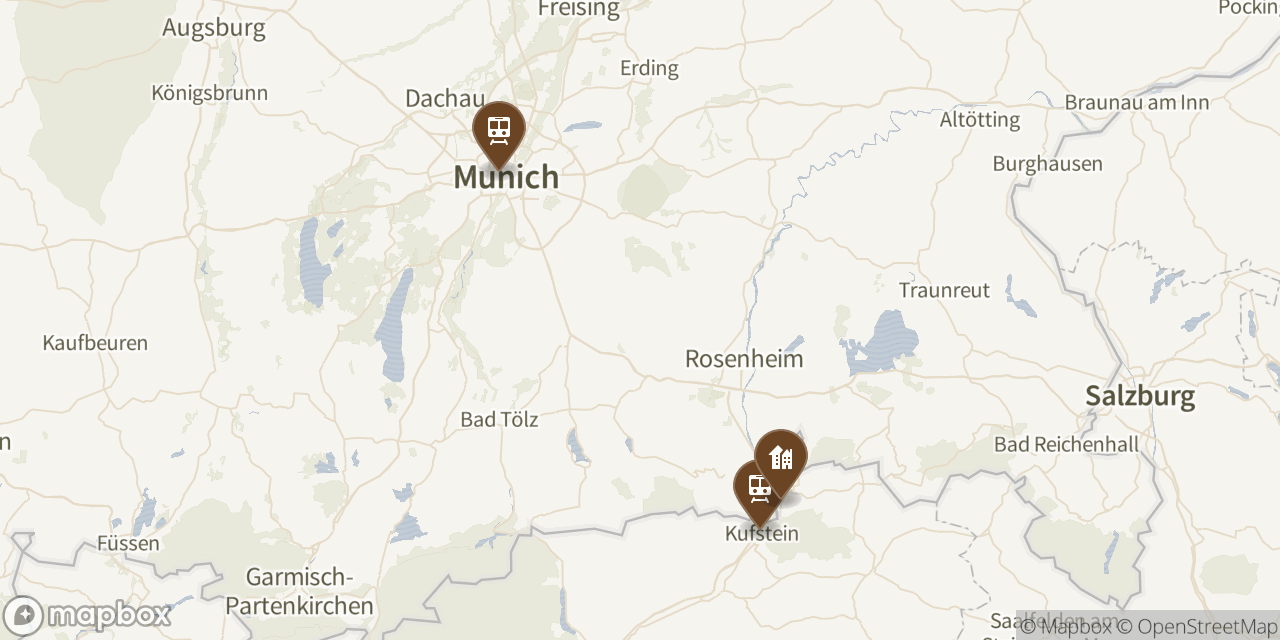
Points of Interest


Your Day Trip Timeline
Take train from Munich Hauptbahnhof to Kufstein
About 1 hour journey on BRB railway, use Bayern-Ticket which covers travel into Austria
Arrange taxi from Kufstein to Ebbs
Approximately 37 euros each way, windy mountain roads take 15-20 minutes, taxi stand near station
Arrive in Ebbs and explore the town
Beautiful Alpine village with river, church, and dramatic mountain backdrop - very authentic and local
Ask locals about cow parade timing
Unlike continuous parades, cows arrive intermittently from different farms - listen for announcements over loudspeaker
Watch decorated cows parade through town
Cows wear elaborate flower headdresses, farmers announced by name before each group arrives - very charming tradition
Visit the festival beer tent
Try local Kufsteiner beer or König Ludwig, prices more reasonable than Munich Oktoberfest, typical festbier atmosphere
Order traditional Austrian food at tent
Schnitzel with fries and lemon is excellent choice, also German potato salad available, simple but authentic
Browse local produce and specialty food stalls
Try the local cake with marzipan and alcohol, visit schnapps shops for regional spirits and gifts
Continue watching cow arrivals throughout day
Multiple groups arrive at different times, stay alert for loudspeaker announcements when next barn approaches
Observe traditional Tyrolean Lederhosen style
Austrian Lederhosen are longer, below-knee length, different from shorter Bavarian style - interesting cultural detail
Return taxi to Kufstein station
Book return taxi in advance if possible, another 37 euros for windy mountain ride back
Catch train back to Munich
Check return train schedule before festival, BRB trains run regularly but confirm last departure time
Ben's Deep Dive
The Almabtrieb tradition stretches back centuries across the Alpine regions of Austria, Bavaria, and Switzerland, representing far more than just a charming parade—it's a genuine agricultural milestone marking the rhythm of mountain life.
Understanding the Almabtrieb tradition requires appreciating its deep agricultural roots across the Alpine regions of Austria, Bavaria, and Switzerland. Unlike Oktoberfest, which has become a globally recognized brand with countless imitations, the Almabtrieb remains refreshingly authentic—nearly every Alpine town hosts its own version, each celebrating the same fundamental tradition: farmers bringing their cattle down from high mountain pastures where they've grazed throughout the summer months. The practice itself is ancient, born from practical necessity in regions where winters are harsh and Alpine meadows become inaccessible under heavy snow. What makes Ebbs particularly special is how it maintains this authenticity without catering to tourist expectations. The cows arrive throughout the day rather than in one orchestrated parade, announced by name along with their farmers over loudspeakers—a personal touch that underscores the intimate, community-focused nature of the celebration. The elaborate floral headdresses (Fuikranzen) adorning the cows aren't merely decorative; they're traditionally worn only by cows from herds where no animal was lost during the summer season, making them symbols of gratitude and successful stewardship.
The regional variations in traditional dress you'll notice at festivals like this reveal fascinating cultural geography. The Lederhosen worn in Ebbs and throughout Austria typically fall below the knee, distinctly different from the shorter, above-the-knee styles common in Munich and northern Bavaria. This isn't arbitrary fashion—these variations developed over centuries, with each Alpine valley and region maintaining its own distinctive traditions. Lederhosen itself is emphatically not "German" in the broad national sense; try imagining someone in Berlin or Hamburg wearing leather shorts and the absurdity becomes clear. Instead, it's the traditional wear of the Alpine cultural zone spanning Austria, Bavaria, Switzerland, and even parts of northern Italy, reminding us that cultural regions often transcend modern political boundaries. The festival atmosphere reflects this regional pride, with locals freely pouring Schnapps for visitors and sharing multi-layered cakes featuring marzipan and alcohol—treats that embody the rich culinary traditions of Austrian Alpine culture.
What distinguishes smaller festivals like Ebbs from massive events like Oktoberfest extends beyond size to encompass philosophy and accessibility. The beer here—Königludwig from Kufstein—represents local brewing traditions rather than the famous Munich breweries that dominate Oktoberfest. Reviews of it are tellingly split: English speakers often praise it, while German speakers consider it perfectly average, suggesting tourists and locals approach these experiences with different expectations. The pricing reflects the local nature too; beer costs significantly less than at Munich's commercial festivals, and traditional dishes like Austrian Schnitzel remain straightforward and authentic rather than elevated for tourist palates. The festival lacks the elaborate rides and amusements found at larger events, instead offering local produce stands and an atmosphere where the agricultural tradition remains central rather than becoming mere backdrop for entertainment. This authenticity comes with trade-offs, however—the location's inaccessibility (requiring train connections to Kufstein followed by a winding 37-euro taxi ride through mountain switchbacks) serves as a natural filter, ensuring that those who arrive genuinely want to experience the tradition rather than simply check off a tourist attraction.
The setting of Ebbs itself amplifies the festival's appeal in ways that perfectly complement the tradition. The town sits in a dramatic mountain-ringed valley with a stunning riverside church that evokes comparisons to more famous (and consequently over-touristed) destinations like Berchtesgaden, but without the crowds. Snow-capped peaks visible overhead during the September festival create that quintessential Alpine atmosphere that draws travelers to this region, yet the town remains remarkably understated and local in character. The physical beauty isn't staged or maintained for tourists—it's simply how these mountain communities exist, with architecture and landscape shaped by centuries of Alpine life. This is what makes attending an Almabtrieb in small Austrian villages so rewarding: you're not watching a performance of tradition, you're witnessing actual agricultural life continuing as it has for generations, in settings that remain functional communities rather than preserved museums. The challenge of reaching Ebbs, the unpredictable timing of cow arrivals, even navigating the festival with limited English—these aren't bugs but features, ensuring the festival remains what it's always been: a genuine celebration by and for the people who live this Alpine agricultural life.
Support Us
Plan Your Trip
Get personalized recommendations and custom itineraries for your Munich adventure. Whether you need help planning the perfect day trip, finding hidden gems, or creating a multi-day itinerary, we're here to make your Munich experience unforgettable.
| Consultation | Time |
|---|---|
| Quick Q&A | 20 min |
| Tailored Consultation | 45 min |
Join Our Tours
Experience Munich like a local with our personalized walking tours and full-day adventures! From hidden gems to local favorites, we'll show you the authentic side of Munich that most tourists miss.