Catch candy from whimsical neighborhood parades bursting with charm
Taste Kölsch beer—crisp fusion of ale and lager
Dance through cobblestone streets in costume-filled revelry
Experience Germany's most spirited community celebration every February
 Easy difficulty
 Full Day duration
 February season
 Train transport
 Kölsch drink
 Very Busy crowds
Why We Love This Trip
Interactive Map
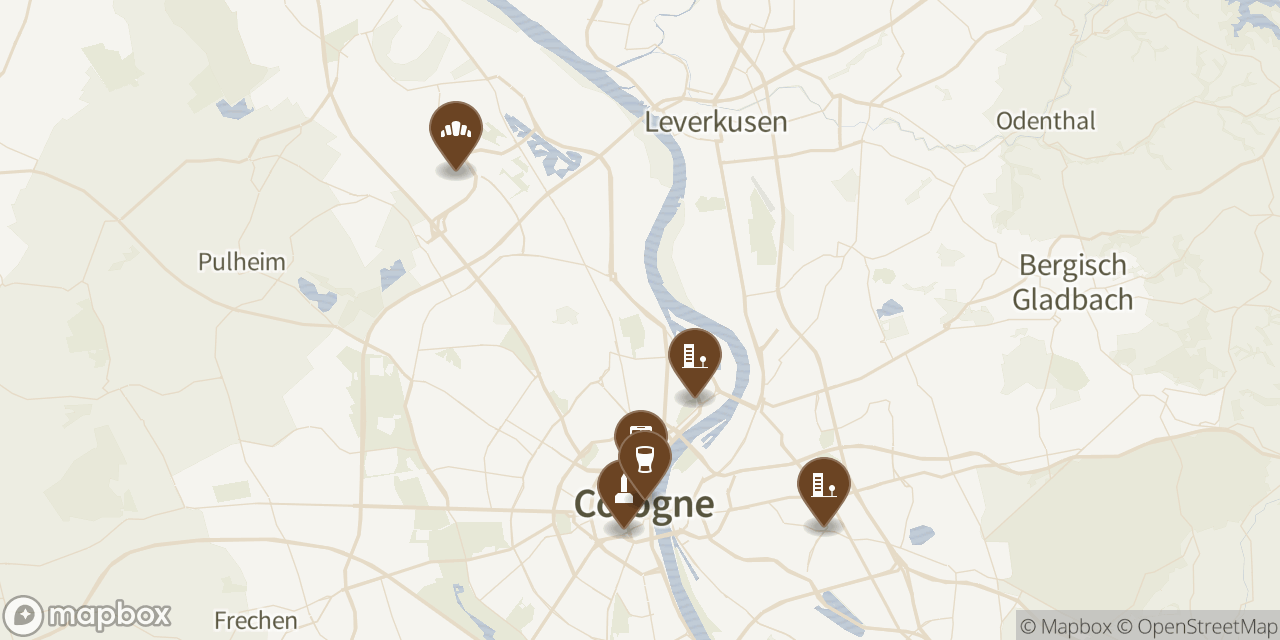
Points of Interest


Your Day Trip Timeline
Arrive early Saturday morning in Cologne
Expect zombie apocalypse vibes - hungover revelers in costumes from night before still wandering streets
Start at Bäckerei Simmerman for traditional Berliner
Famous Cologne bakery serving carnival donuts twice the size of Munich's - expect lines but locals confirm it's worth it
Explore Roman city walls near main parade route
2,000-year-old walls still define main roads where millions pass during carnival - quick history stop before festivities
Take tram to Kalk neighborhood for local parade
Skip crowded central parade, head to working-class Kalk for authentic community experience - check local German newspaper for timing
Watch Kalk neighborhood parade
Kindergartens, retirement homes, local clubs march - full-size candy bars thrown, trombone-playing squirrels, pure wholesome community fun
Order a Kölsch beer during the parade
Unique hybrid between ale and lager - top-fermented but cold-aged, crisp with fruity notes, served in small glasses
Head north to Riehl neighborhood near zoo
Larger parade than Kalk with bigger budgets and political satire floats - parade times are suggestions not punctual
Experience Riehl parade with locals in costume
More costumes, bigger crowds, excellent candy selection - community groups from retirement homes to kindergartens participate
Join mad dash after parade ends
Locals scramble to collect candy from streets - chaotic but fun tradition after floats pass through
Return to central Cologne for nighttime festivities
Beer halls and street parties with dated pop music - family parades end but adult carnival continues late
Visit nearfromhome.com for complete maps and itinerary
Detailed companion articles with timelines and neighborhood-specific tips for planning your own carnival experience
Ben's Deep Dive
Beyond the spectacle lies a fascinating brewing rivalry and 2,000 years of history that make Cologne Carnival more than just Germany's wildest party.
What makes Cologne Carnival truly remarkable isn't just the costumes and candy—it's the layers of history and tradition woven into every aspect of the celebration. As you navigate the parade routes past ancient Roman walls that have stood for two millennia, you're literally walking the same paths that have served as Cologne's main thoroughfares since the city's founding. These aren't museum pieces tucked away behind glass; they're living monuments integrated into the modern cityscape, silently witnessing millions of revelers pass by year after year. The city planning decisions made by Roman engineers continue to shape how contemporary Cologne celebrates, with parade routes following the exact same corridors that ancient merchants once traveled. It's this seamless blend of ancient and modern that gives the festival an almost surreal quality—where else can you watch trombone-playing squirrels march past 2,000-year-old fortifications?
The real story behind Cologne Carnival, however, lies in its beer. Kölsch represents one of brewing history's most fascinating acts of regional defiance. In the late 1800s, when Bohemian and Bavarian brewers revolutionized beer-making with lager—a bottom-fermented beer aged cold to create that crisp, clean flavor profile we associate with modern beer—North German brewers faced a crisis. Their traditional ales, top-fermented and stored at room temperature with fruitier, maltier characteristics, suddenly seemed old-fashioned compared to the revolutionary new lagers sweeping across Europe from Bavaria and Pilzen. But rather than simply copying their southern competitors and bending the knee to Bavarian brewing dominance, Cologne's brewers engineered something entirely unique: a hybrid that refuses to be categorized. Kölsch is top-fermented like an ale, giving it complexity and fruity notes, but then cold-aged like a lager, providing that refreshing crispness. The result is a beer that occupies the fascinating middle ground between two brewing traditions, offering incredible depth while remaining light and drinkable—perfect for a multi-day festival where you'll be consuming quite a bit while chasing candy-throwing clowns through snowy streets.
The neighborhood parade culture reveals another dimension of Cologne that tourists rarely experience. Areas like Kalk and Riehl—discovered not through tourist guidebooks but through local German newspapers announcing parades that begin "upon the gray stone"—showcase authentic community celebration at its finest. These aren't tourist productions; they're genuine neighborhood gatherings where local kindergartens, retirement homes, and community clubs create their own elaborate floats and costumes. You'll hear nothing but German, see residents who've lived in these areas for generations, and witness the kind of wholesome chaos that happens when an entire community decides to celebrate together. The candy isn't symbolic either—we're talking full-size candy bars handed out with genuine enthusiasm, creating moments of unexpected joy that epitomize the festival's spirit. Watching different generations participate together, from kindergarteners in their first parade to retirement home residents waving from decorated floats, demonstrates how deeply embedded carnival is in Cologne's social fabric.
What's particularly striking about experiencing Cologne Carnival is its defiant celebration of joy despite February's harsh weather. While German festivals are often associated with Oktoberfest in Munich and the warm beer garden culture of Bavaria, Cologne throws caution (and comfort) to the wind, hosting one of Europe's largest celebrations during one of the year's coldest months. The result is wonderfully bizarre—elaborately costumed revelers braving snow and cold, creating surreal scenes where you're genuinely unsure if people are still in last night's outfits or starting fresh. Saturday mornings have an almost post-apocalyptic quality, with hung-over crowds slowly building excitement for the day ahead. Yet this temporal oddness only adds to the festival's charm, proving that true celebration doesn't wait for perfect weather. And while Bavaria may dominate discussions of German beer culture and traditional festivals, Cologne Carnival stands as the north's proud declaration that they know how to throw a party too—just with better beer complexity and significantly more candy.
Support Us
Plan Your Trip
Get personalized recommendations and custom itineraries for your Munich adventure. Whether you need help planning the perfect day trip, finding hidden gems, or creating a multi-day itinerary, we're here to make your Munich experience unforgettable.
| Consultation | Time |
|---|---|
| Quick Q&A | 20 min |
| Tailored Consultation | 45 min |
Join Our Tours
Experience Munich like a local with our personalized walking tours and full-day adventures! From hidden gems to local favorites, we'll show you the authentic side of Munich that most tourists miss.